
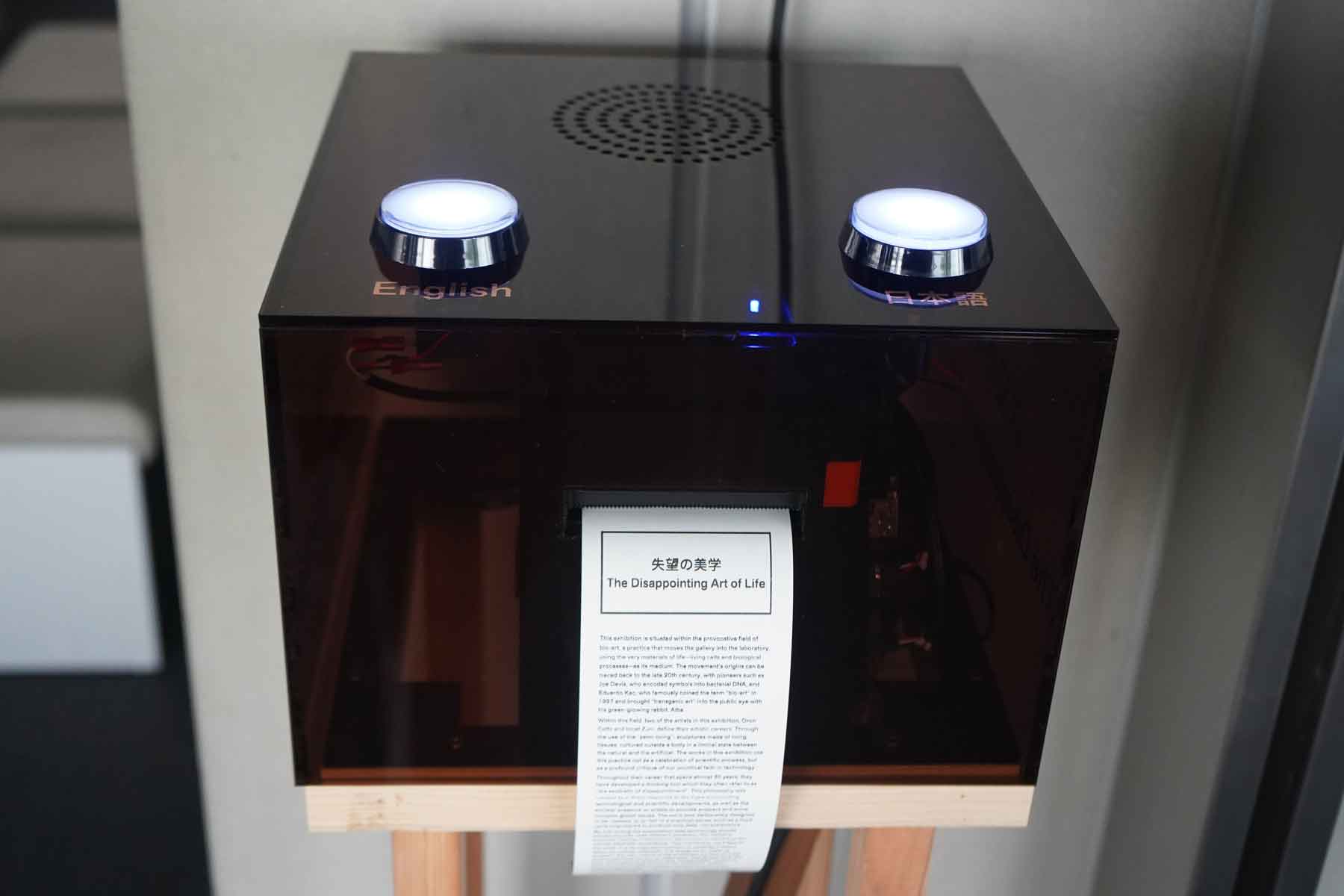
MRT – Natureless Solution
–
2025
Ionat Zurr & Oron Catts
–
in collaboration with
Steve Berrick and
Yamaguchi Center for Arts & Media (YCAM)
Metabolic Rift Technologies (MRT), a concept coined by the artists and inspired by the Metabolic Rift theory proposed by John Bellamy Foster. This theory describes a fundamental rupture in the ecological relationship between human society and the environment. The theory itself is an expansion of Karl Marx’s observation of the disruption of nutrient cycles caused by industrial agriculture and urbanization.
Karl Marx to describe the dynamics between human and non-human nature as “metabolic relations”. The rift is created when humans’ consumption exceeds what is returned to land, literally in the form of human biological waste.
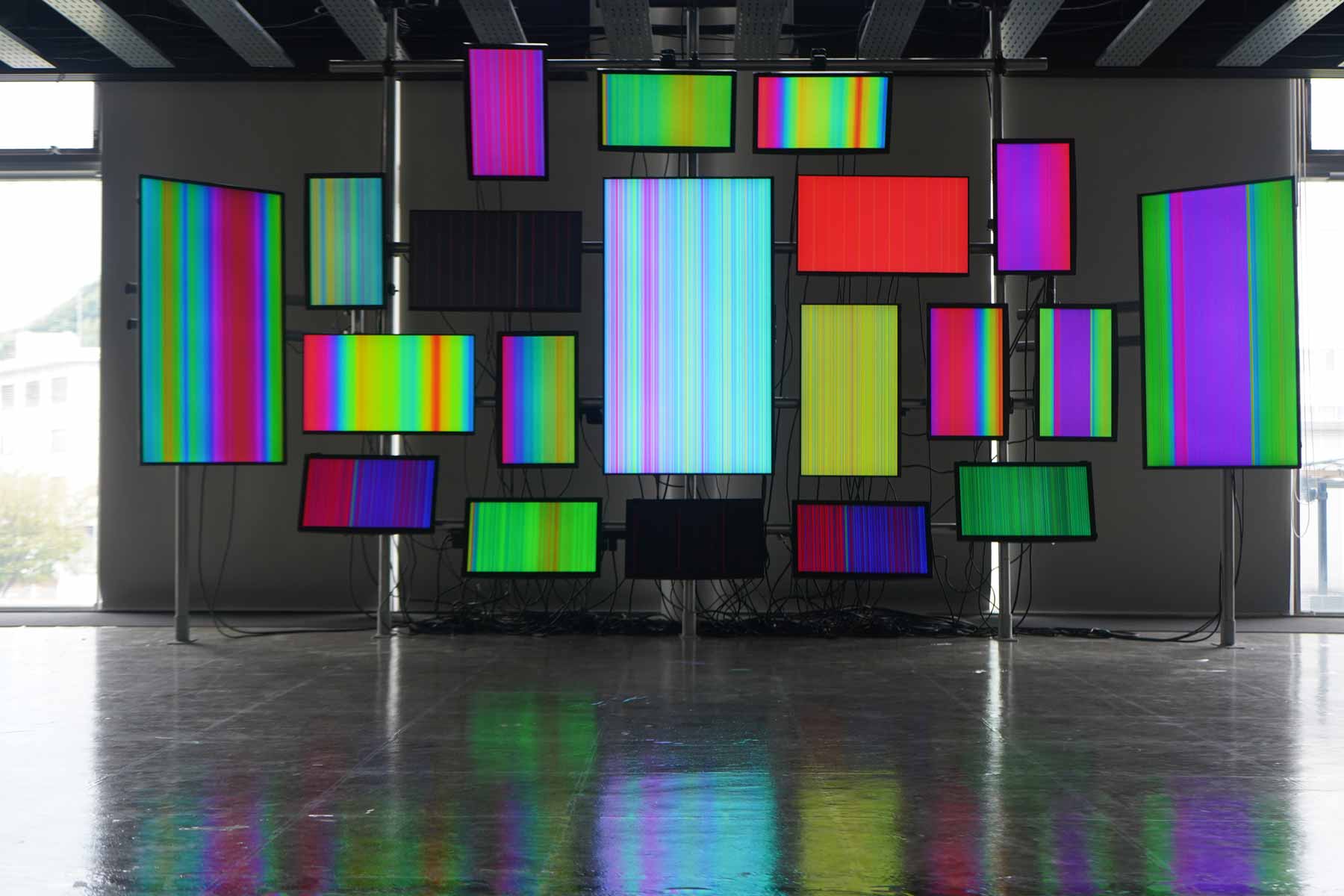
MRT Project is an iteration of a contestable future food system that critically explores the tech and narratives of nature-free living; when, in the name of sustainability, the means of production are decoupled from land (nature). It sets as an open (input dependent) circular system of food production while the main output is vast amounts of mostly useless data. The project considers AgTech’s obsession with data and its desire to replace natural elements with artificial substitutes. Some companies even refer to data as a new food ingredient.
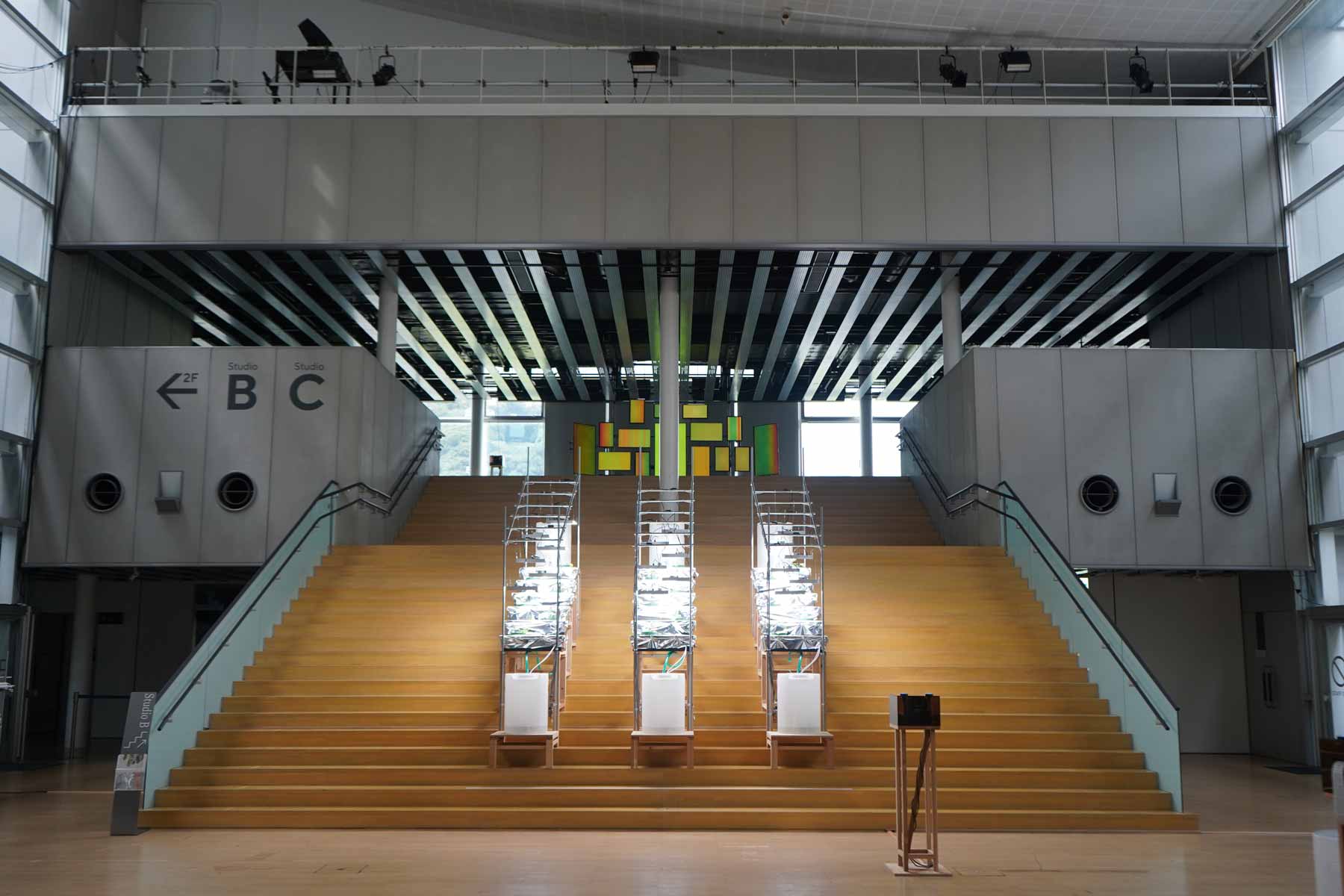
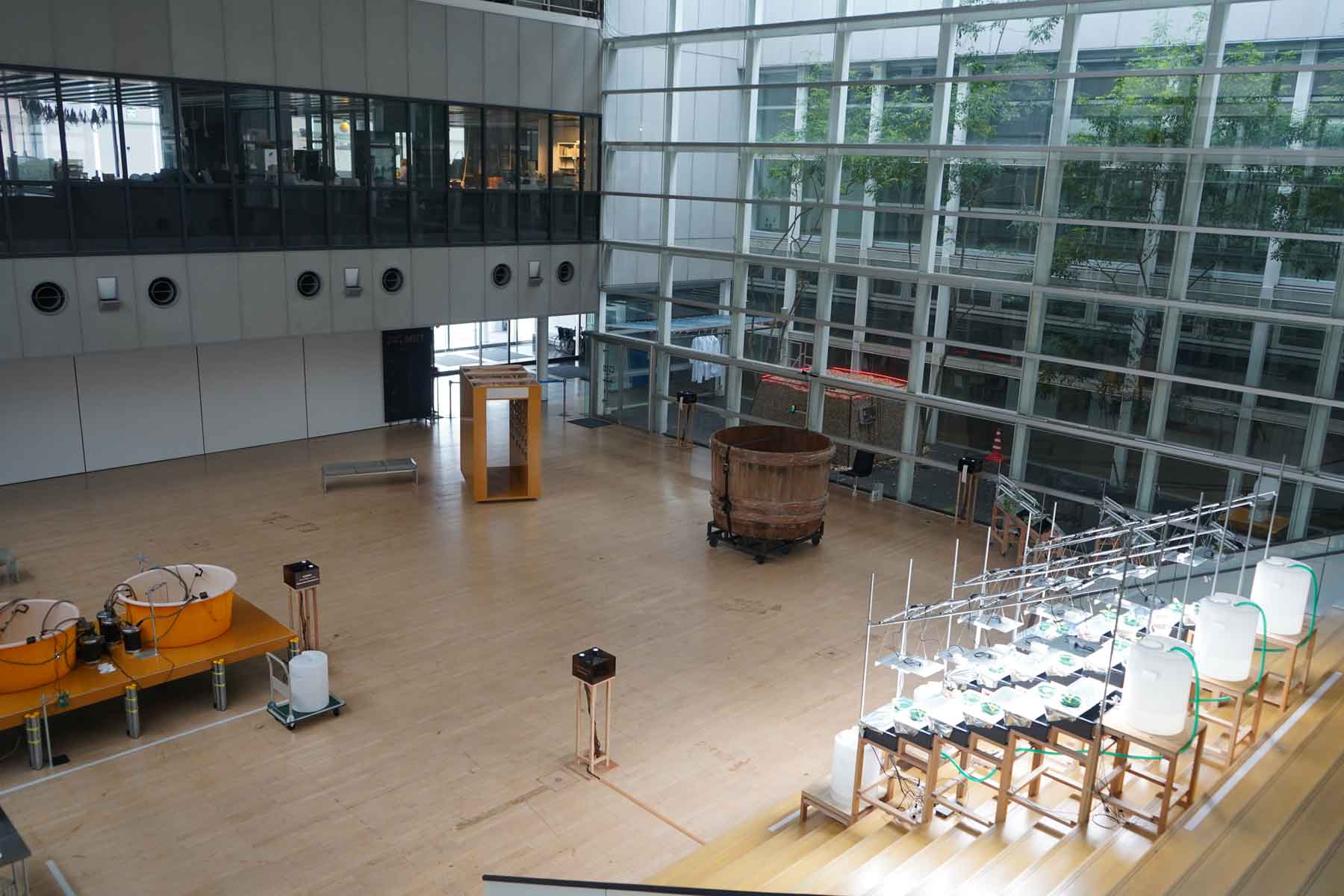
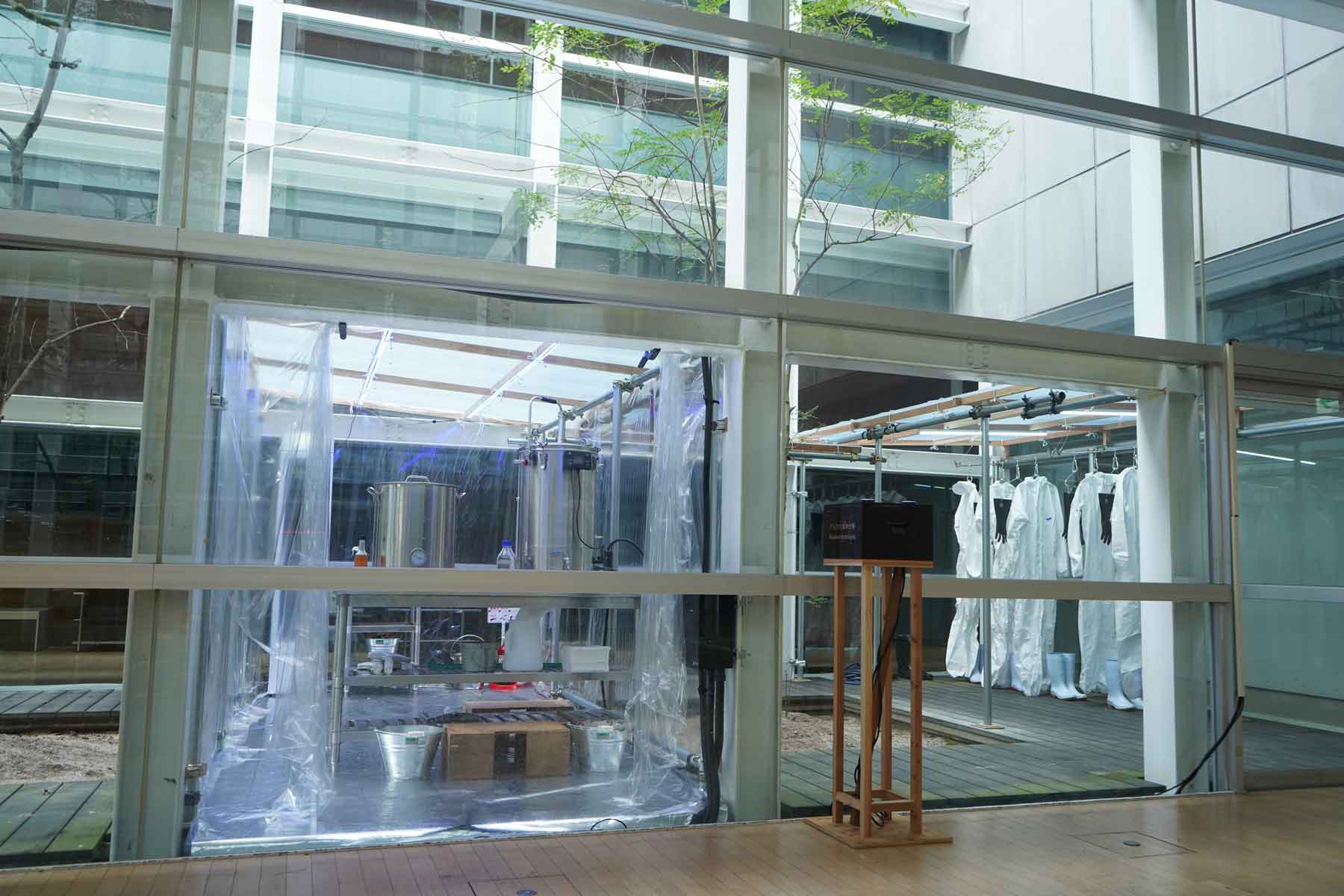
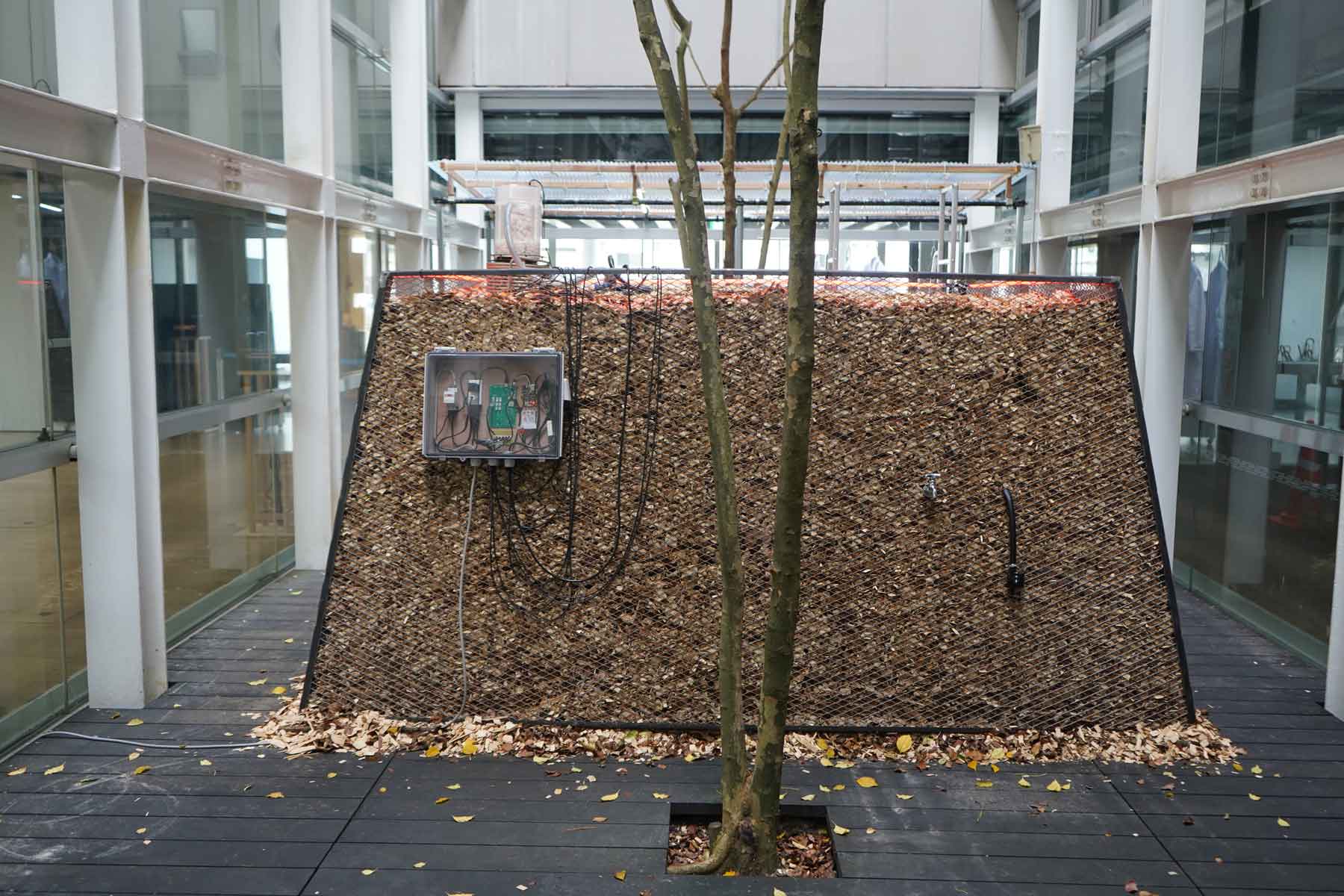
The gallery was conceived metaphorically as a “lab/factory” for conducting experiments and research. Project MRT developed multiple circular food-production systems as analogues to systems commonly found in AgTech and in regenerative agriculture practices, such as compost heating system and soilless growing techniques. Additionally, a control room that continuously harvests data in real time from various sensors attached to the systems monitoring parameters, such as temperature, pH level, voltage, etc., is set up as the central element of the exhibition.
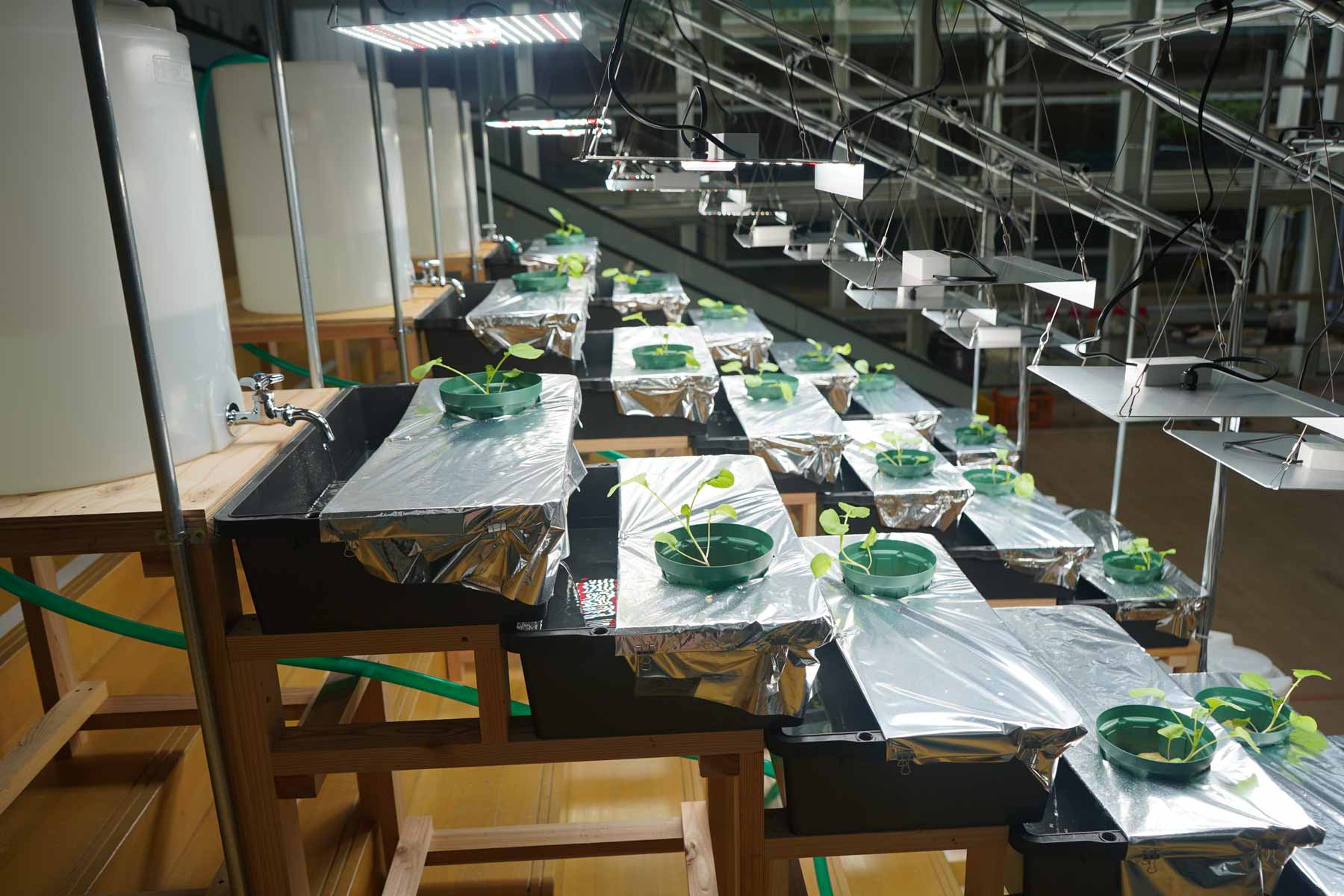
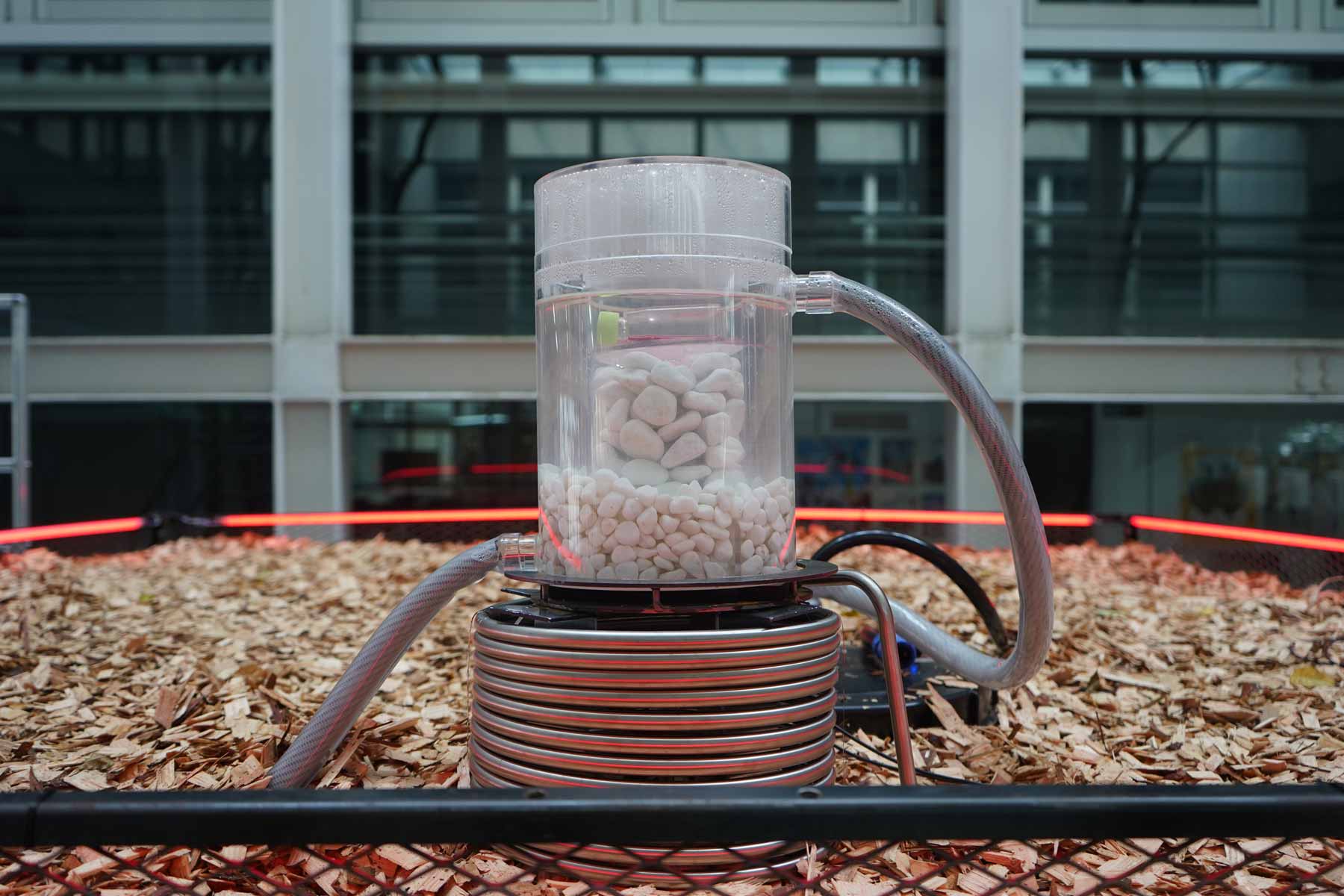
Within the venue, in collaboration with local educational institutions, researchers, farmers and producers, installations such as soil-free hydroponic system and solar panel systems, aquaponic setups, in which aquaculture (fish farming) and hydroponics were combined to grow fish and plants simultaneously ̶ and devices –a compost-incubator – that culture mouse-derived muscle cells into artificial meat and convert their nutrients into fertiliser.
All food-production devices in the exhibition were equipped with custom-developed sensors. They measured in real time various environmental indicators: heat generated during compost decomposition; concentrations of CO₂ and methane produced by microbial respiration and fermentation; nitrogen-cycle data related to animal husbandry; as well as excessive, non-useful and sometimes nonsensical data. As data is generated and accumulated day by day during the exhibition, the process becomes a critique of the contemporary condition in which data itself is valued over ecological reality in food production.